Fashion AI 101: 8 Questions Everyone Asks
Is fashion AI actually worth it? Get straight answers to the 8 fashion AI questions retailers ask most. What it does, how much it costs, how long it takes…

by YesPlz.AIJune 14, 2023


Is fashion AI actually worth it? Get straight answers to the 8 fashion AI questions retailers ask most. What it does, how much it costs, how long it takes…
by YesPlz.AIJune 14, 2023
You’ve probably heard about fashion AI everywhere lately. And if you’re an online fashion retailer, you’ve probably had the same questions come up again and again:
What does it actually do? How much does it cost? And is it really worth the investment?
Every retailer we speak to asks some version of these questions. So we’re answering them all here. This is a straightforward guide to the 8 most common fashion AI questions.
Table of Contents
This is hands down the most common of all fashion AI questions. And honestly, the term can sound way more complicated than it really is.
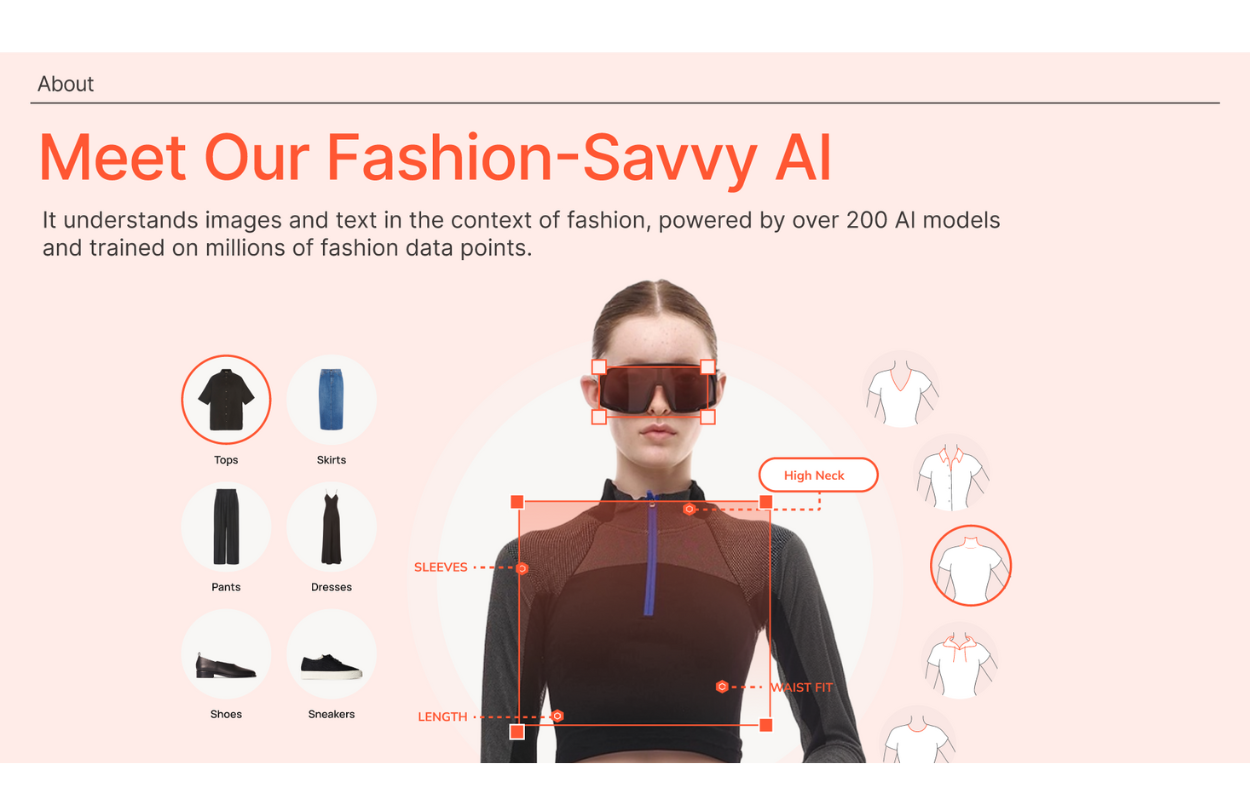
At its core, fashion AI is technology that helps online fashion retailers make better decisions about their products and their shoppers. Think of it like a super-smart team member who works 24/7 and never gets tired.
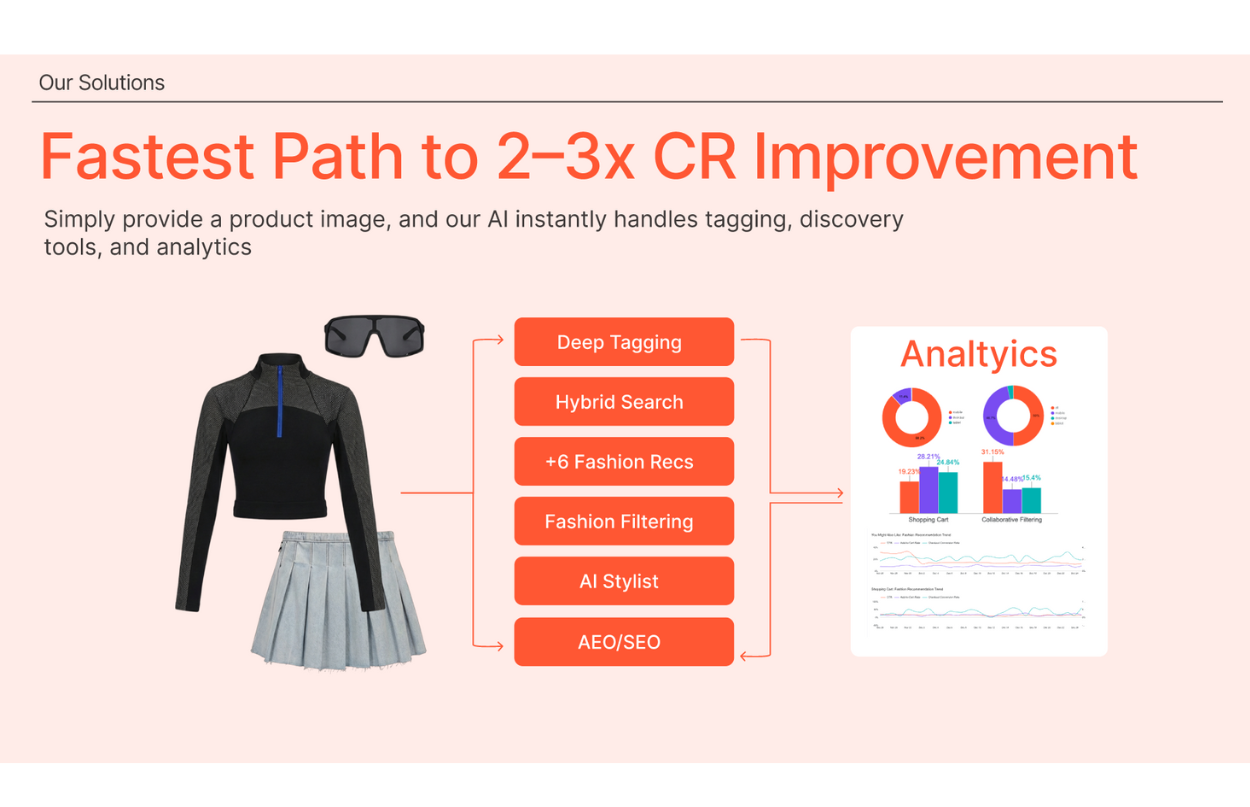
The kind of AI we’re talking about here can automatically tag your products, understand what your shoppers are searching for, and recommend items that match their style.
Here’s a simple example. You upload a new product photo to your store. Instead of someone on your team manually tagging it, the AI steps in. It instantly recognizes whether it’s a crew neck or V-neck, what color it is, and even what occasion it’s suitable for.
That’s really what fashion AI explained looks like in practice: less manual work, faster workflows, cleaner and more accurate product data, and a better shopping experience for your customers.
 #2 Who's Actually Using Fashion AI Right Now?
A better question might be: who isn't? Fashion AI has moved well beyond the early adopter phase. Today, brands of all sizes are using it in practical ways.
Multi-brand retailers like Looxloo and Zilo use AI to manage products from different vendors. Looxloo saw a 15% increase in site search accuracy with zero hours of manual effort. Zilo achieved 2x higher search sales attribution compared to Shopify's default search.
DTC brands like HangTen leverage AI to scale without scaling headcount. They achieved 2.5x add-to-cart rates without hiring 2.5x more people. The Handsome uses AI to help shoppers discover new brands beyond their usual go-tos.
Enterprise retailers managing massive catalogs see some of the biggest gains. W Concept achieved 5x higher add-to-cart rates while cutting data management costs by 70%. Lately manages 2 million SKUs with zero hours of manual tagging.
Startups are adopting AI from day one. Big Sister Swap, a sustainable fashion startup, launched with a full AI stack and zero build time. StyleUp turned their marketplace ambitions into reality fast, with AI doing the heavy lifting.
The pattern is clear. Whether you're managing 500 products or 2 million, fashion AI helps you work smarter.
When we get fashion AI questions from retailers, this one comes up constantly. So let’s break down the real-world use cases you’ll actually use.
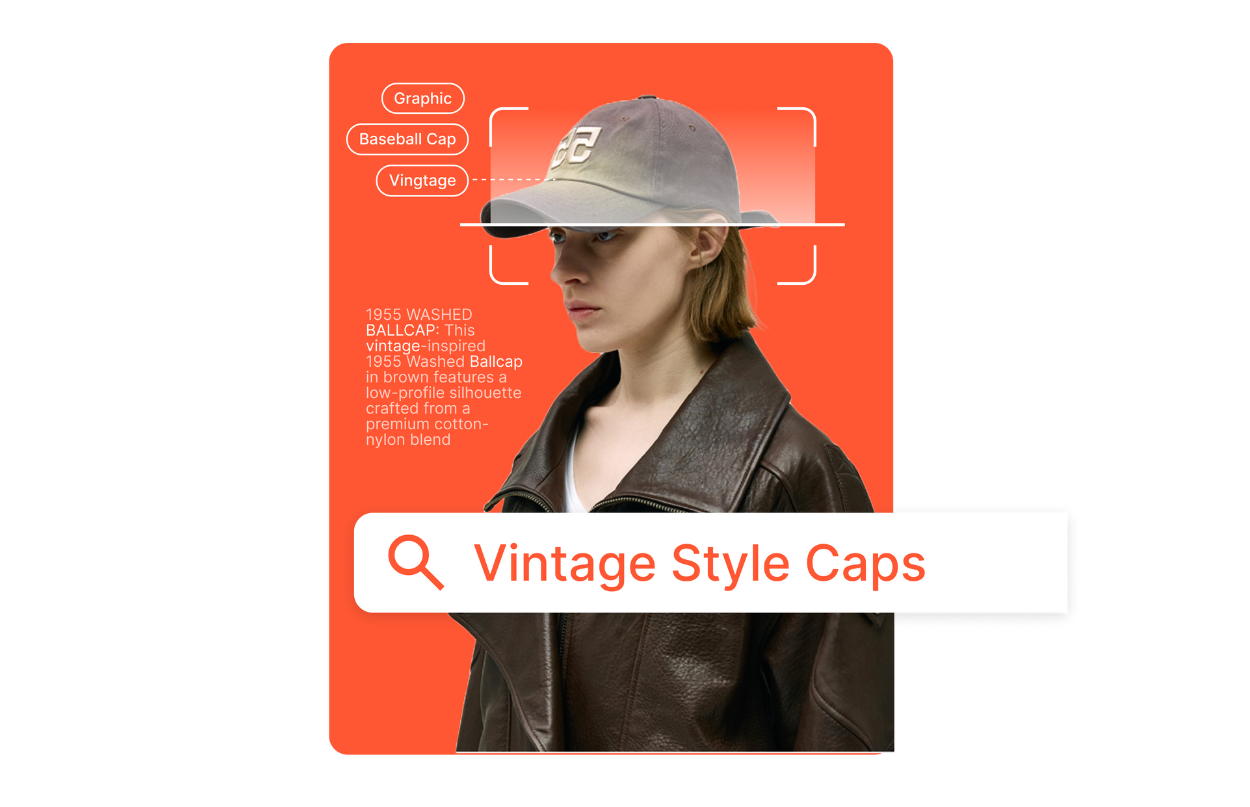 Product Tagging
AI identifies fashion-specific attributes, for instance, silhouette, color, pattern, vibe, occasion, and mood. You upload a product photo, and AI tags it in seconds. This clean data is the foundation for every use case we’ll discuss below.
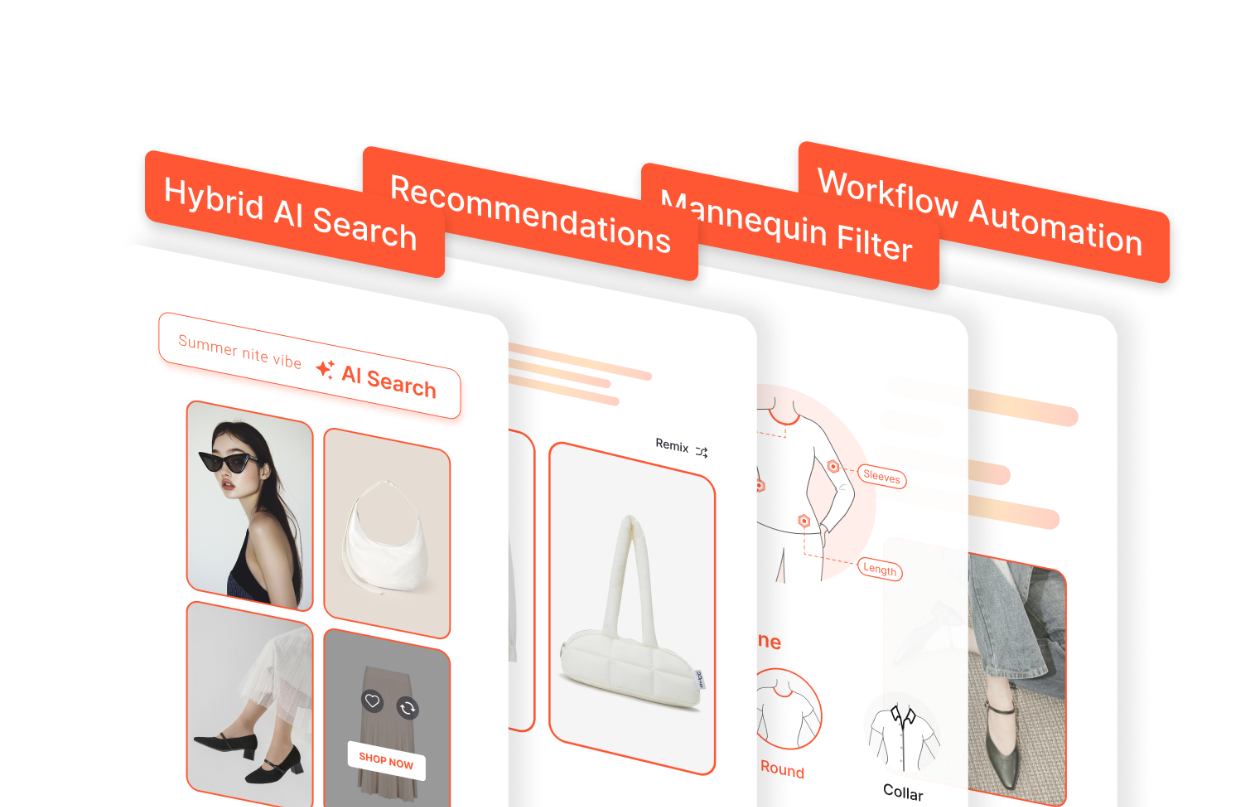
Hybrid search combines text and image understanding. It interprets shoppers’ natural language, fashion terminology, synonyms, and even typos. Your shoppers don’t need to search perfectly to find the right product.
AI-powered chat tools answer style questions and provide outfit suggestions. It helps shoppers move from “I’m just browsing” to “This is exactly what I want.”
 Filtering
Shoppers can refine results by multiple attributes at once. Let’s say, neckline, sleeves, waist, or any specific style preference, in addition to basic size and color options.
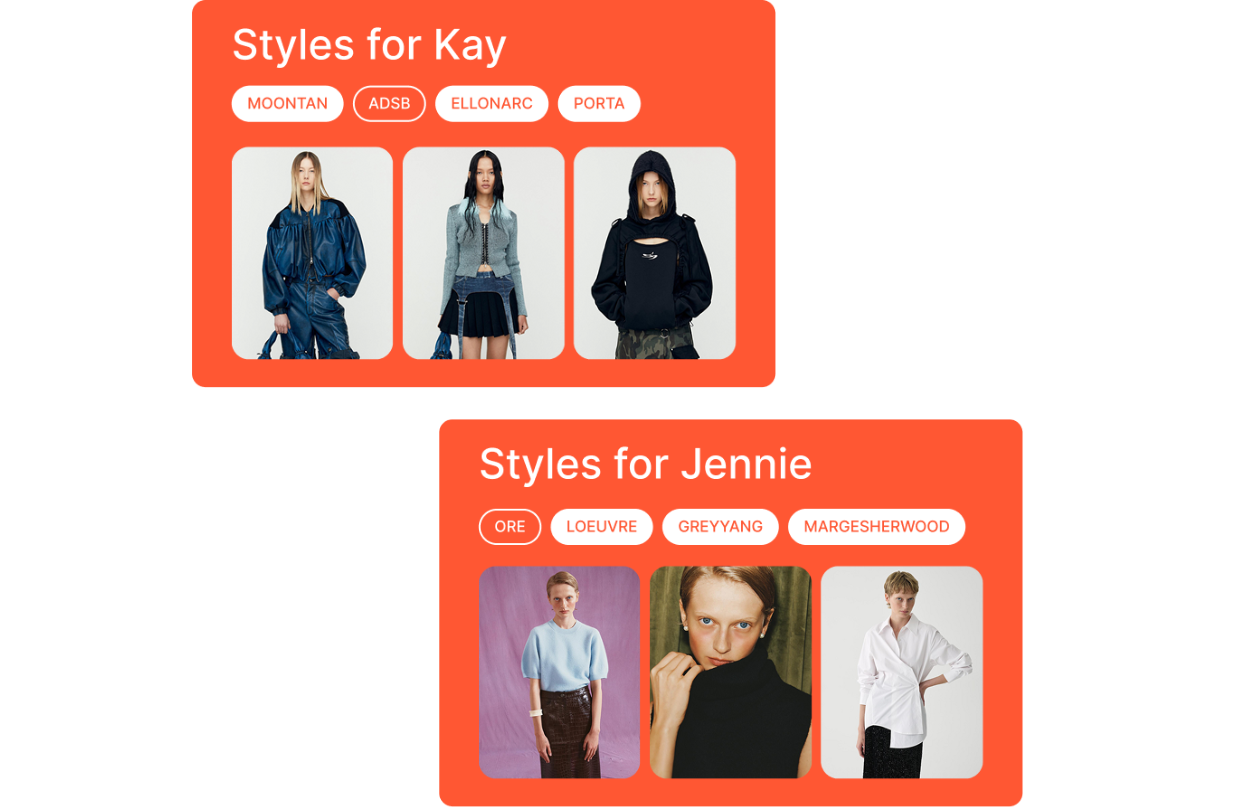
AI analyzes product similarities and shopping patterns to suggest relevant items. This includes visually similar products, complementary pieces for outfits, and items frequently purchased together. The recommendations adapt to each shopper over time.
AI auto-generates product descriptions, meta titles, meta descriptions, and alt text from product images. It can also handle translation for multiple languages. This automation reduces the time spent on repetitive content tasks.
This fashion AI question often comes from brands that are cautious about new technology. The main concern is whether AI will replace human designers. Here's what's actually happening in the industry.
Will AI replace fashion designers? Fashion design depends on creativity, cultural context, taste, and emotional intelligence. These are things machines simply don’t have. The creative and problem-solving aspects of design remain uniquely human. Luxury fashion leaders consistently state that machines should never replace people in roles intrinsically linked to creativity.
What AI actually does is amplify human capabilities. AI tools assist designers in generating mood boards, creating prototypes, and visualizing concepts before physical production. These tools speed up the design process. Yet, humans still make all final creative decisions. Designers without fashion expertise cannot create quality work using AI alone, even with advanced tools.
The working relationship between AI and humans? AI handles repetitive, data-heavy tasks. Humans focus on vision, brand identity, and judgment. That balance is what makes teams more efficient, without sacrificing creativity.
 #5 How Much Does Fashion AI Actually Cost?
Among all the fashion AI questions we receive, pricing concerns top the list. Here's the honest breakdown.
Fashion AI pricing isn't one-size-fits-all. It depends on your catalog size, which features you need, and your platform. With YesPlz AI, you pay with no annual commitment required. It's easy to upgrade as you grow, so you can start small and scale up. We offer three pricing options:
The starter tier focuses on AI tagging with pay-as-you-go pricing. This is ideal if you just need automated product tagging to improve your filters and search. You calculate your exact cost based on your SKU count.
The mid-tier includes tagging plus key discovery tools, which include enhanced search, recommendations, and filtering. This is where growing brands see significant impact. Custom quotes are provided based on your specific catalog size and needs.
The premium tier includes everything: hybrid search with text and image understanding, AI Stylist, advanced analytics, and merchandising controls. This tier is designed for high-volume stores that need maximum functionality and conversion optimization.
Pro tip: Start small with one feature, for example, AI tagging. Test it, measure your results, then expand to additional features. This approach reduces risk and lets you prove value before scaling up your investment.
Another frequent fashion AI question focuses on the timeline. Implementation is faster than most retailers expect. In a typical setup, you’re looking at around 2-4 weeks from kickoff to launch. Here’s what that usually looks like in real life:
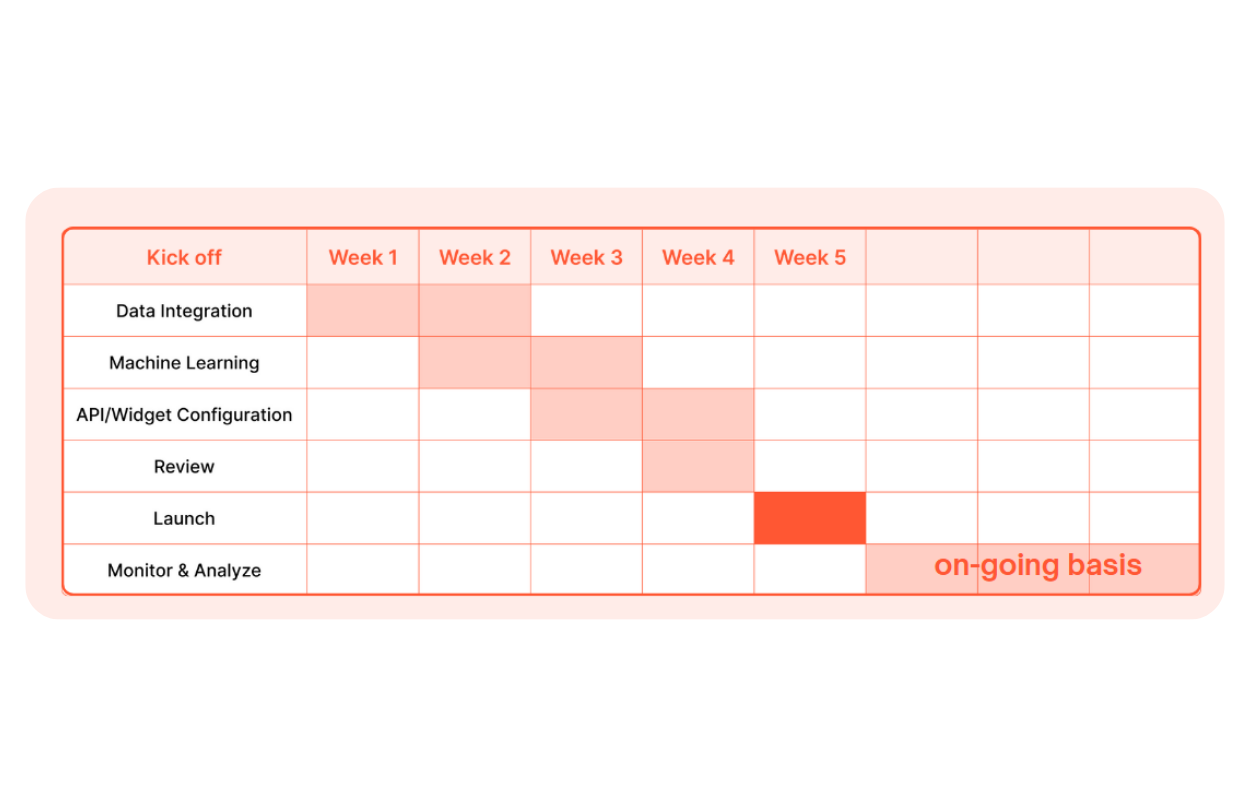 Kickoff & Data Integration (Week 1-2): We connect your product catalog. No heavy lifting is required on your side. The initial week is mostly about syncing data.
Machine Learning & Training (Week 2-3): AI begins learning your catalog: styles, attributes, categories, and patterns. This process happens in the background without disrupting your day-to-day operations.
API/Widget Configuration (Week 3-4): Search, filters, recommendations, or widgets are configured to match your site and brand experience.
Review & Testing (Week 4): You review results, fine-tune details, and ensure that everything looks and feels right.
Launch (Week 5): You go live.
After launch, the system continues to monitor, learn, and improve on an ongoing basis. It gets smarter as shoppers interact with your site. Fashion AI in 2026 doesn’t mean long, painful implementation cycles anymore. You can start seeing real results in weeks.
Good news: You probably have everything you need. At a minimum, you’ll need product images. The better the quality, the better the results. You also need basic product information (name, category, and price).
Helpful but not required include things like existing tags or attributes, shopper behavior data, and search query history. These can improve results faster, but they're not necessary to get started.
What if your data is messy? This is a common concern. And, the answer might surprise you. AI can actually help clean and organize your catalog as part of the implementation process. We've worked with brands whose product data was inconsistent or incomplete, and the AI tagging process helped standardize everything.
One important note about privacy. You keep full control of your data. AI tools like YesPlz don't share your information with third parties.
The last critical fashion AI question retailers ask is about measuring results. You need to track the right metrics to prove ROI.
Key metrics to track include conversion rate. Do your brands see a lift in conversion rate after implementing AI-powered search and recommendations?
Track your search click-through rate. Better search means more clicks on search results.
Monitor your average order value. AI recommendations often lead to higher cart values.
Track customer engagement metrics. Are your shoppers using filters more? Are they spending more time on site? These indicate better product discovery.
Set benchmarks before implementation. Document your current conversion rates, search performance, and manual hours spent on tagging. This gives you clear before-and-after comparisons. You should also evaluate the time saved on manual tasks.
And don’t forget qualitative feedback. Talk to your customers. Are they finding products faster? Are they happier with recommendations? Sometimes customer feedback says more than dashboards ever will.
 Ready to Get Your Fashion AI Questions Answered?
Now that you have fashion AI explained clearly in real, practical terms. However, one thing should be clear: this isn’t the future of fashion eCommerce, it’s the PRESENT.
If you're ready to see what fashion AI can do for your brand, the next steps are straightforward. Identify your biggest pain point, whether that's search accuracy, manual tagging, or weak recommendations. See how AI solves it in a live demo. Then start small and scale what works.
Still have more fashion AI questions? Schedule a free demo with us and get fashion AI explained for your specific business needs.

Written by YesPlz.AI
We build the next gen visual search & recommendation for online fashion retailers
