
Learn how image tagging turns product photos into searchable data. Discover why it's essential for eCommerce search, filters, and recommendations.

by YesPlz.AIJanuary 2026

Hundreds of product images are uploaded to eCommerce websites every day. So how do shoppers quickly find what they’re looking for? The answer is image tagging. By turning visual details of an image into searchable text (tags), image tagging makes products easy to discover. Shoppers may never see the tags, but this behind-the-scenes data powers modern online shopping. With correct tags, finding the right product online shouldn't require luck.
Table of Contents:
Image tagging refers to the process of labelling images with descriptive keywords that make them searchable. Visual elements within an image are translated into searchable text, which is also known as tags.
Take a look at the image below:
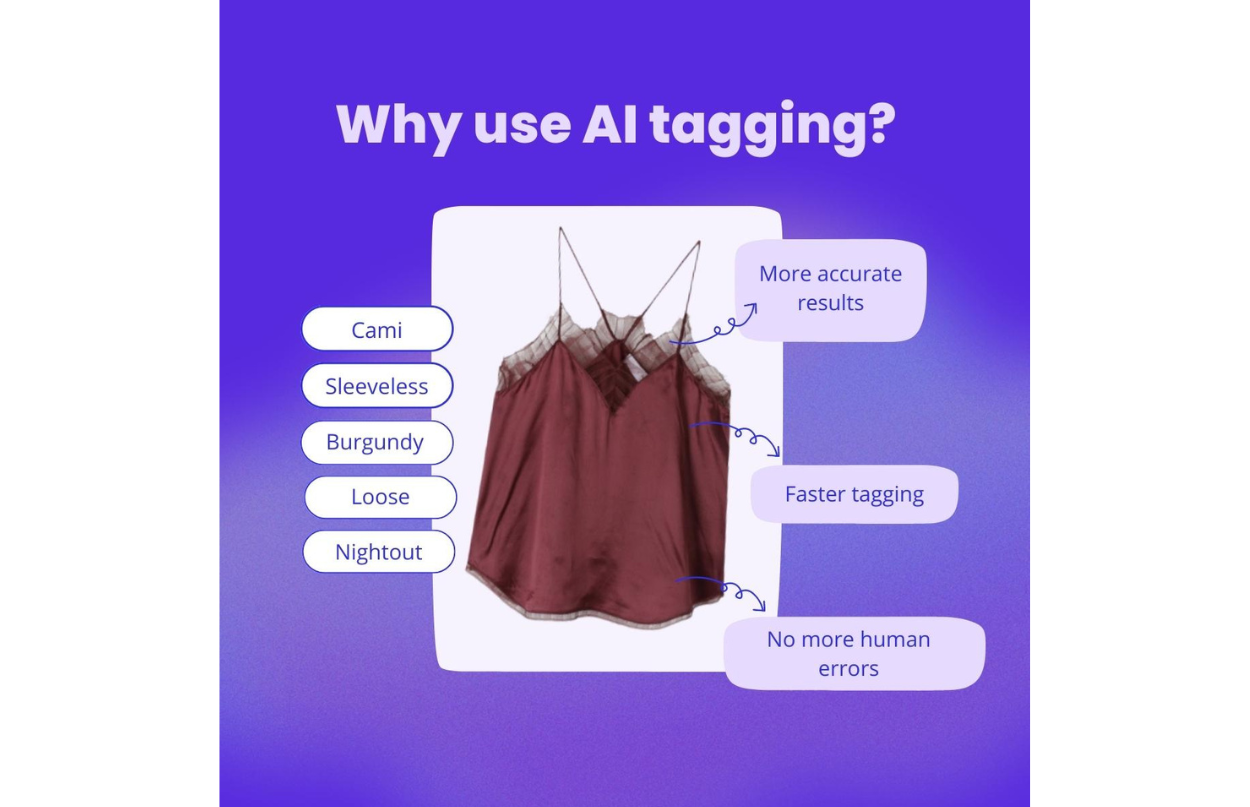 Visual elements, or attributes of the top, are tagged with descriptive keywords like ‘cami,’ ‘sleeveless,’ ‘burgundy,’ ‘loose,’ and ‘nightout.’ So when someone searches for ‘burgundy loose cami,’ the site’s search engine can surface the most relevant product instantly.
This is the core purpose of image tagging:
To make images easier to find and products easier to discover.
Traditionally, image tags include basic attributes like object type, category, material, color, and size. However, modern eCommerce has moved beyond these basics. Today, shoppers expect richer, more intuitive tagging. Thematic tags such as work, casual, or party help shoppers browse by intent and occasion, creating a faster and more personalized shopping experience.
Image tagging can be done either manually or automatically. And the difference between the two has a direct impact on accuracy and efficiency.
Manual image tagging relies entirely on human input. As a result, it is both time-consuming and prone to errors. Because terminology evolves and is often used inconsistently, maintaining accurate tags becomes increasingly difficult over time, even for experienced professionals.
 Automated image tagging takes a different approach. Instead of relying on manual effort, it uses technology to recognize product attributes and apply tags at scale. This allows large product catalogs to be tagged quickly and consistently, keeping pace with frequent updates. For eCommerce brands, the result is a more efficient tagging process and better product discovery.
Still, automation alone isn’t enough. Not all image tagging solutions perform the same. And the key difference lies in the technology behind them.
When we talk about automated image tagging, we’re talking about technology that can:
Understand what’s in a product image
Describe those visual details in words
Two underlying technologies support these capabilities:
Computer vision
Deep product tagging
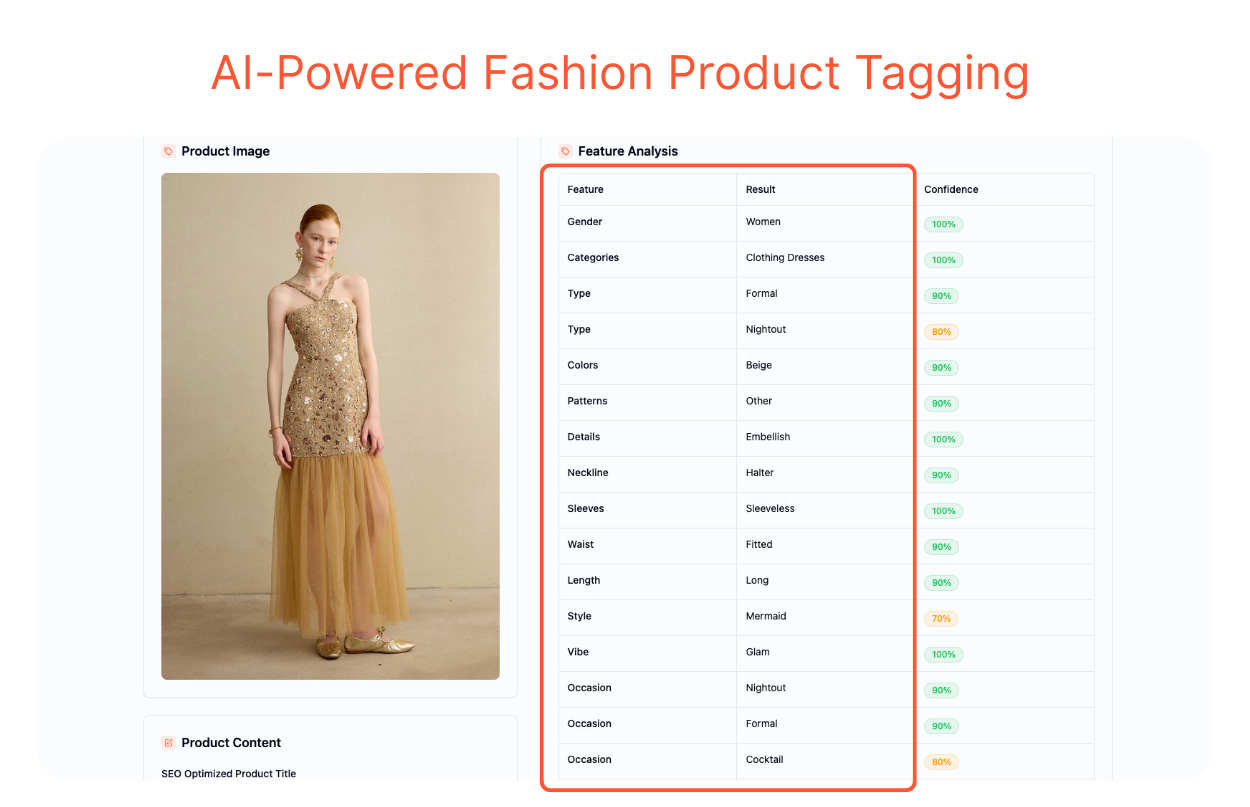
First, computer vision allows the system to analyze a product image and recognize key visual elements. Next, deep product tagging turns those visual insights into descriptive tags. For example, product type (cami), color (burgundy), sleeve (sleeveless), fit (loose), and occasion (night out). In short, this process helps the system “see” what’s in the image and describe it accurately.
Correct and comprehensive tags make search and discovery easier for shoppers. At YesPlz, we combine both image and text data to create more accurate and meaningful product tags.
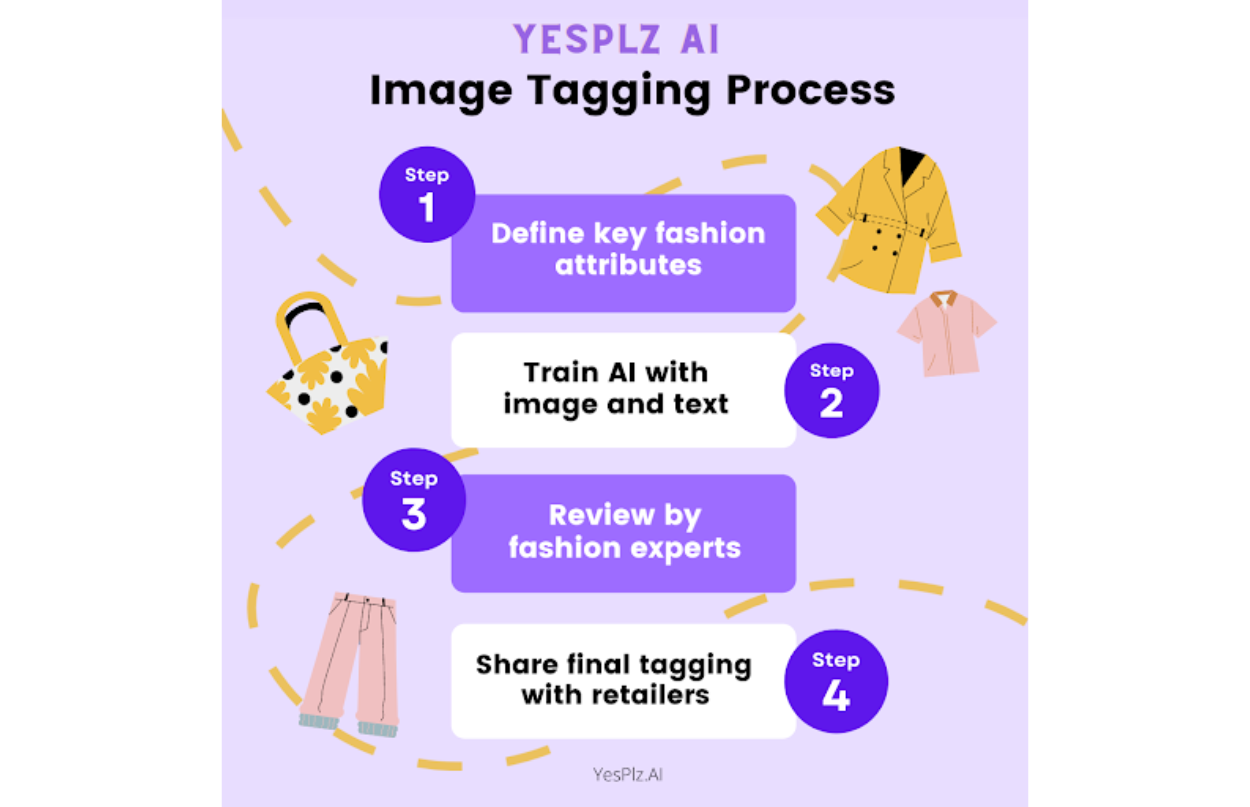 When evaluating an image tagging solution, it’s also important to consider:
Tag quality
Tagging speed
The ability to capture specific details
Image tagging plays a critical role in modern eCommerce. For retailers, it provides the structure needed to manage product catalogs and deliver better shopping experiences. In 6 Essential Fashion Product Tagging Use Cases, we explore real-world examples that highlight how effective image tagging drives measurable results.
At its core, image tagging is the foundation of eCommerce personalization. Accurate product tags power everything from text search and filtering to product recommendations and on-site discovery. When products are tagged correctly, shoppers can find relevant items faster, leading to higher engagement and conversion rates.
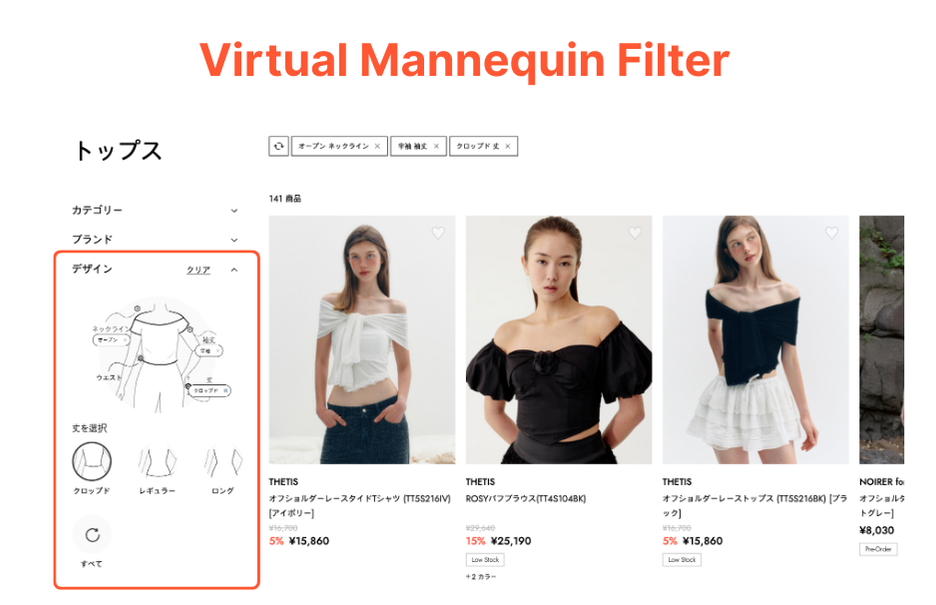
For instance, instead of relying on rigid category structures, shoppers can search using natural terms. They can also use faceted filters to refine results based on specific attributes such as color, style, fit, or occasion.
 From the retailer’s perspective, automation significantly increases efficiency and consistency. Large volumes of products can be tagged quickly and accurately, reducing manual effort and minimizing errors. This frees up internal teams to focus on higher-value work.
1. What is Image Tagging Used for?
2. Why Do I Need Image Tagging?
3. What’s the Difference Between Image Tagging for SEO and Internal Site Search?
4. How Does Image Tagging Impact eCommerce Conversion Rates?
5. How Does YesPlz AI Improve Automated Image Tagging with Custom Training?
Image tagging is used to make products searchable on your eCommerce site. Below are some image tagging use cases:
Site search relies on tags to match shoppers’ keywords with relevant products.
Product filters use tags to let shoppers refine results by one or multiple attributes.
Recommendation engines depend on tags to suggest similar or complementary items.
Visual search also uses tags to find products that match uploaded images.
In short, image tagging is the backbone of product discovery.
 2. Why Do I Need Image Tagging?
Without image tagging, your products remain hidden from shoppers. They can't find what they don't know how to search for. Even if you have the perfect item in stock, poor tagging means it won't appear in search results. This leads to frustrated shoppers and lost sales.
Proper tagging ensures every product can be discovered through multiple pathways. It also keeps your catalog organized and manageable. For large inventories, automated tagging saves time and maintains consistency across thousands of products.
SEO image tagging focuses on external visibility. It uses alt text, file names, and structured data to help Google understand and rank your images. The goal is to drive traffic from search engines to your website.
Internal site search tagging works differently. It powers the shopping experience within your site. These tags enable product filters, sorting options, and personalized recommendations.
SEO tags bring customers to your door. Internal tags help them find what they need once they're inside.
Better tags mean better search results. When shoppers find relevant products quickly, they're more likely to purchase. Accurate tagging reduces the friction in the shopping journey. It eliminates endless scrolling and dead-end searches.
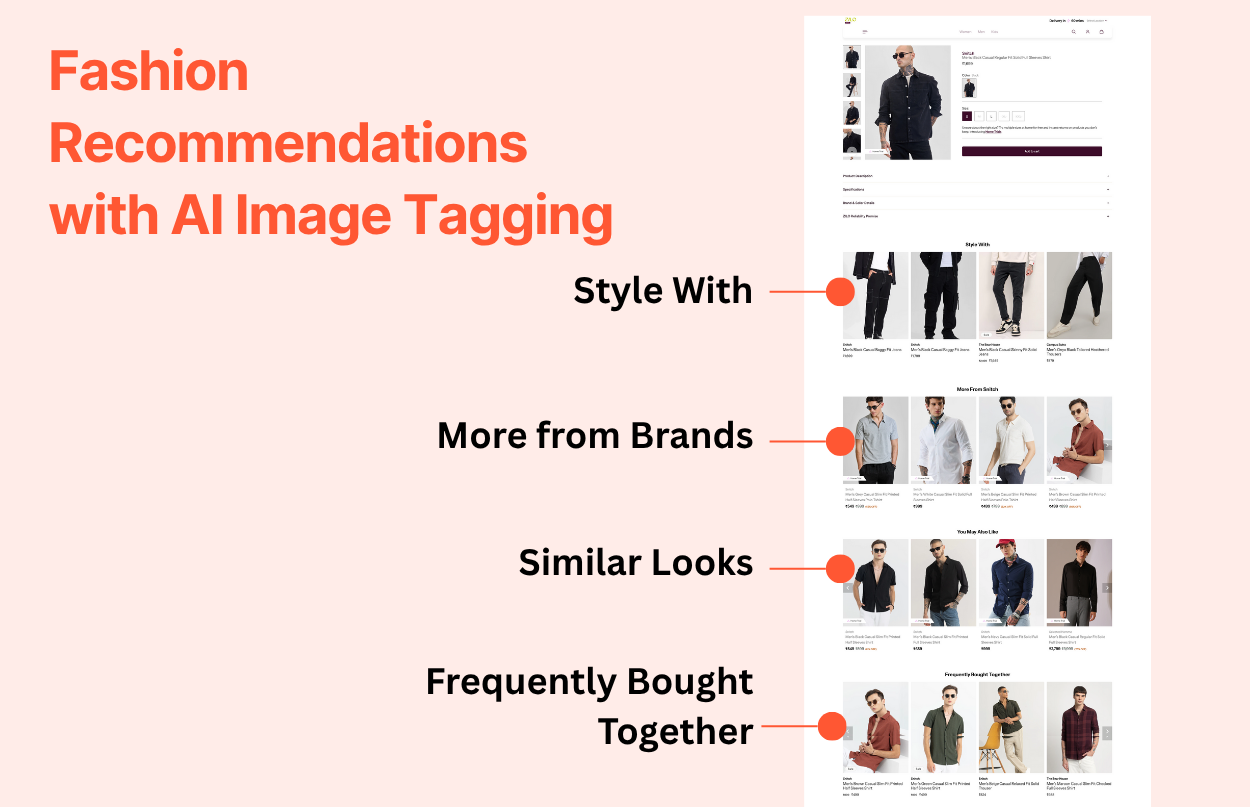
Tags also power smarter recommendations. This creates more opportunities for cross-selling and upselling. The result is a smoother shopping experience. Shoppers spend less time searching and more time buying. This directly translates to higher conversion rates.
YesPlz AI uses computer vision combined with deep product tagging technology. This dual approach analyzes both image and text data. The result is more accurate and contextually relevant tags.
Custom training takes it further. Our system adapts to your specific product catalog. It learns your brand terminology and industry nuances. This means tags reflect the exact language your shoppers use. They capture the specific attributes that matter to your business. Better tags lead to better search accuracy and stronger product discovery.
Image tagging has evolved far beyond basic labels. Today's shoppers expect intuitive search, accurate filters, and personalized recommendations. All of these rely on one thing: comprehensive product tags that capture what makes each item unique.
The difference between manual and automated tagging isn't just about speed. It's about consistency, accuracy, and the ability to scale as your catalog grows. The right tagging solution should understand your products the way your customers do.
Whether you're managing hundreds or thousands of products, proper image tagging ensures every item can be found. It's the invisible infrastructure that powers modern eCommerce.
Want to see how automated image tagging works for your catalog? Book a demo to explore how the right technology can improve your product discovery.

Written by YesPlz.AI
We build the next gen visual search & recommendation for online fashion retailers
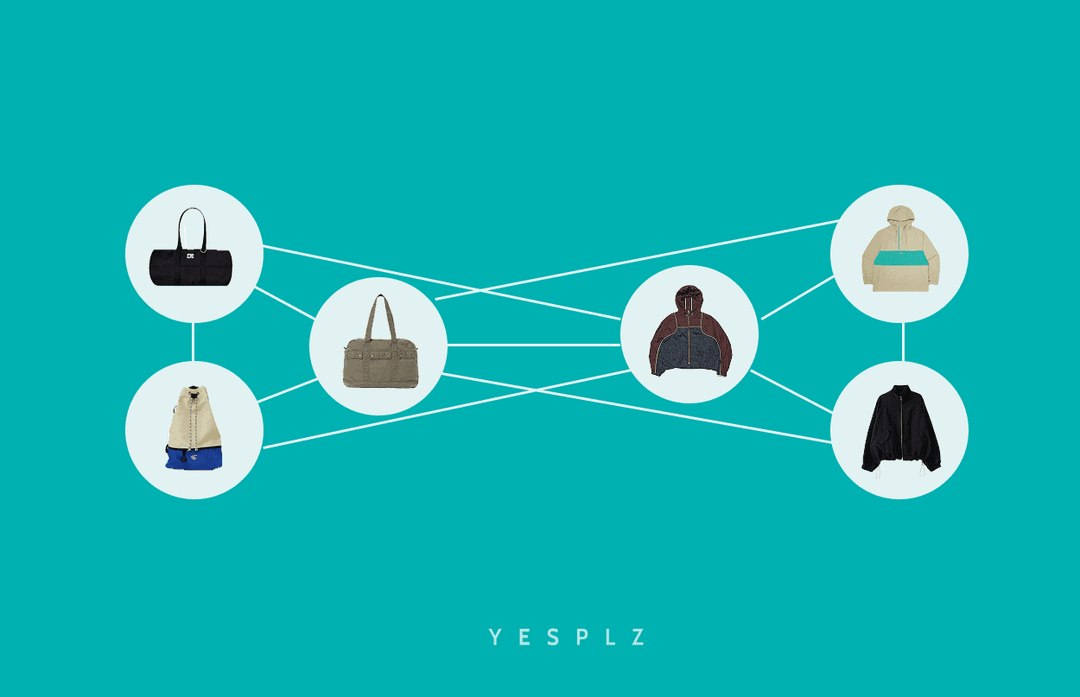
Fix search typos and synonyms with AI site search. Agentic AI manages keyword variations automatically. Zero maintenance, better conversions.
by YesPlz.AI
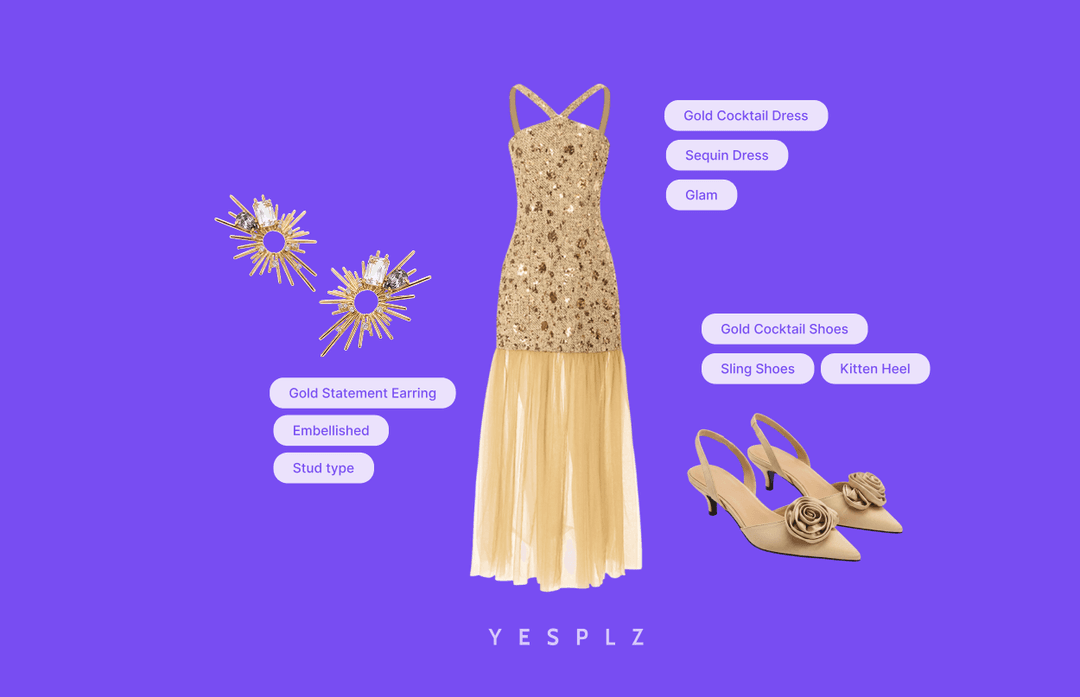
What are product tags used for? It’s a solution to low search CTR, limited filtering, manual collection curations, and more. Discover 6 essential use cases of product tags to transform search, filtering, SEO, and collections to boost sales.
by YesPlz.AI
