Readiness
98Up from 65 before enhancement. The same score every store in this directory gets

See how fashion retailers are preparing for agentic shopping and how visible your products are to AI agents.
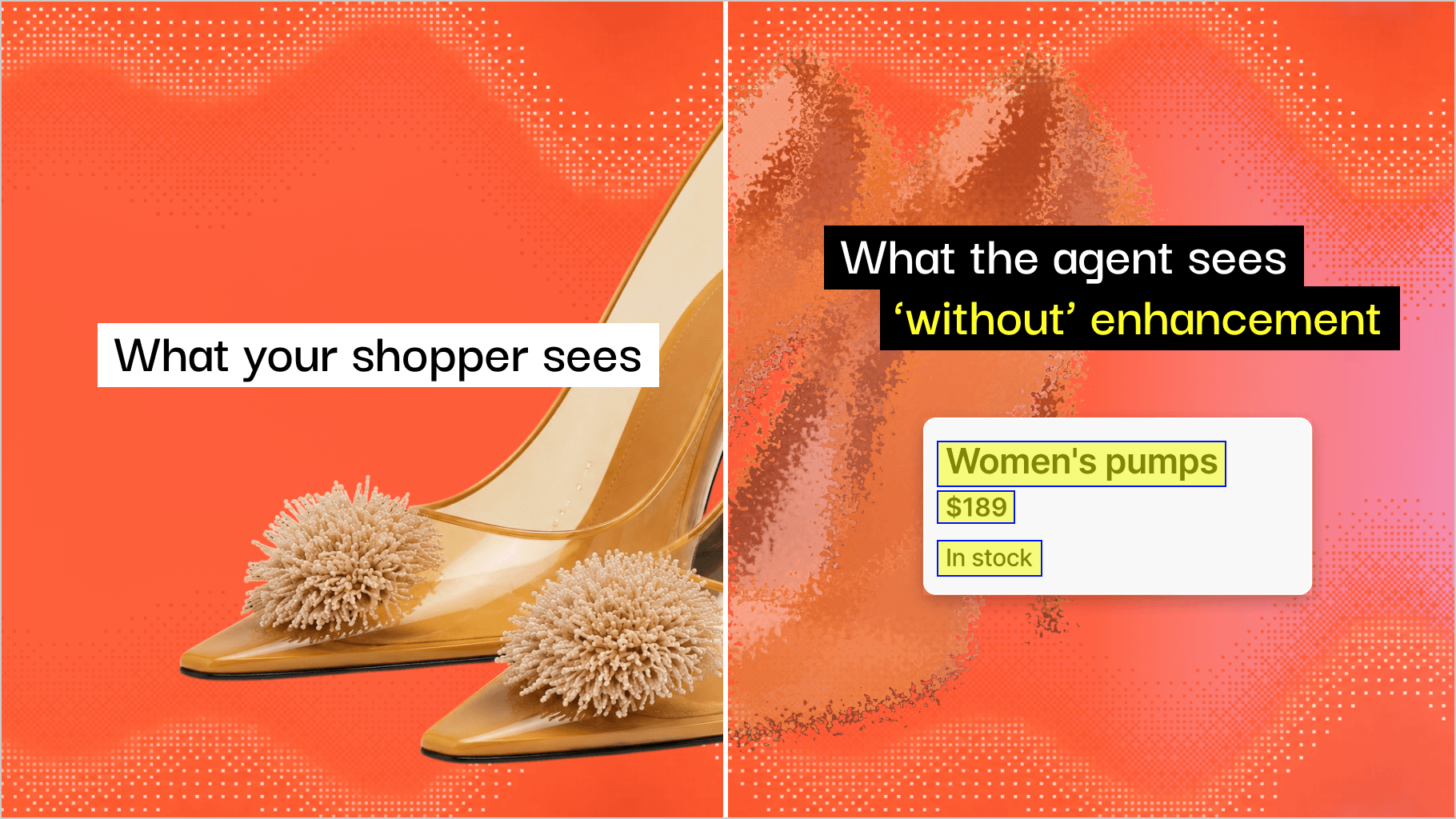
Better Endpoint
One real listing in this directory, probed before and after enhancement. Same store, same products.
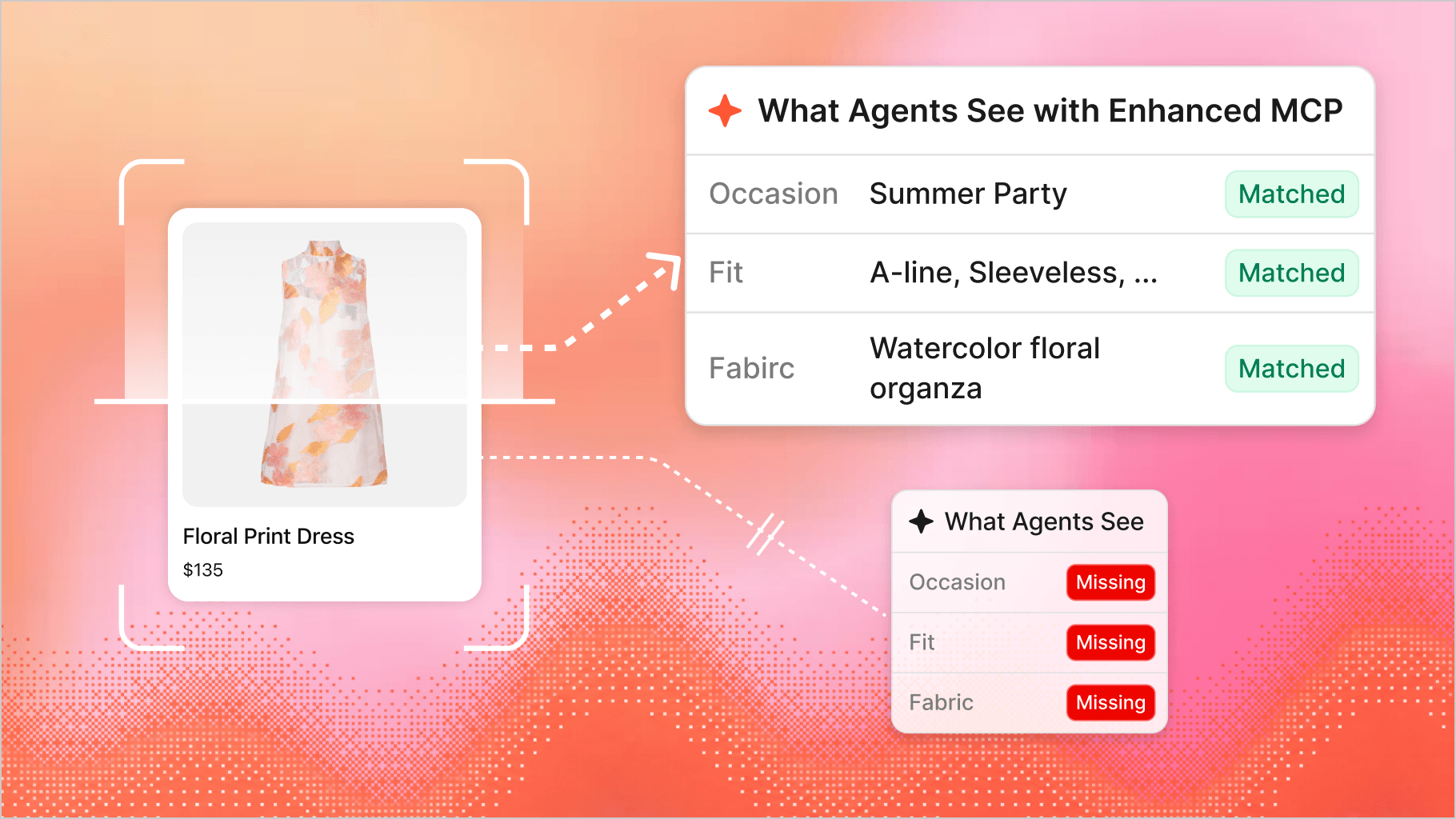
4,577 Fashion Stores Indexed
The fashion MCP server list, filter by capability, protocol, and readiness score to find your store and the ones you compete with.
Updating directory...
How We Score
We probe each server with a fixed set of shopper queries and score what an agent can actually answer, across four groups.
An agent can reach the catalog and still cannot answer a shopper.
Category words work. Anything descriptive returns nothing or the wrong thing.
Handles most shopper phrasing. Loses occasion, fit, and fabric queries.
Answers the way a shopper asks, including outfit and follow-up questions.
Before and After
Looxloo, probed native and probed enhanced. Same store, same products, same photos. Only the data changed.
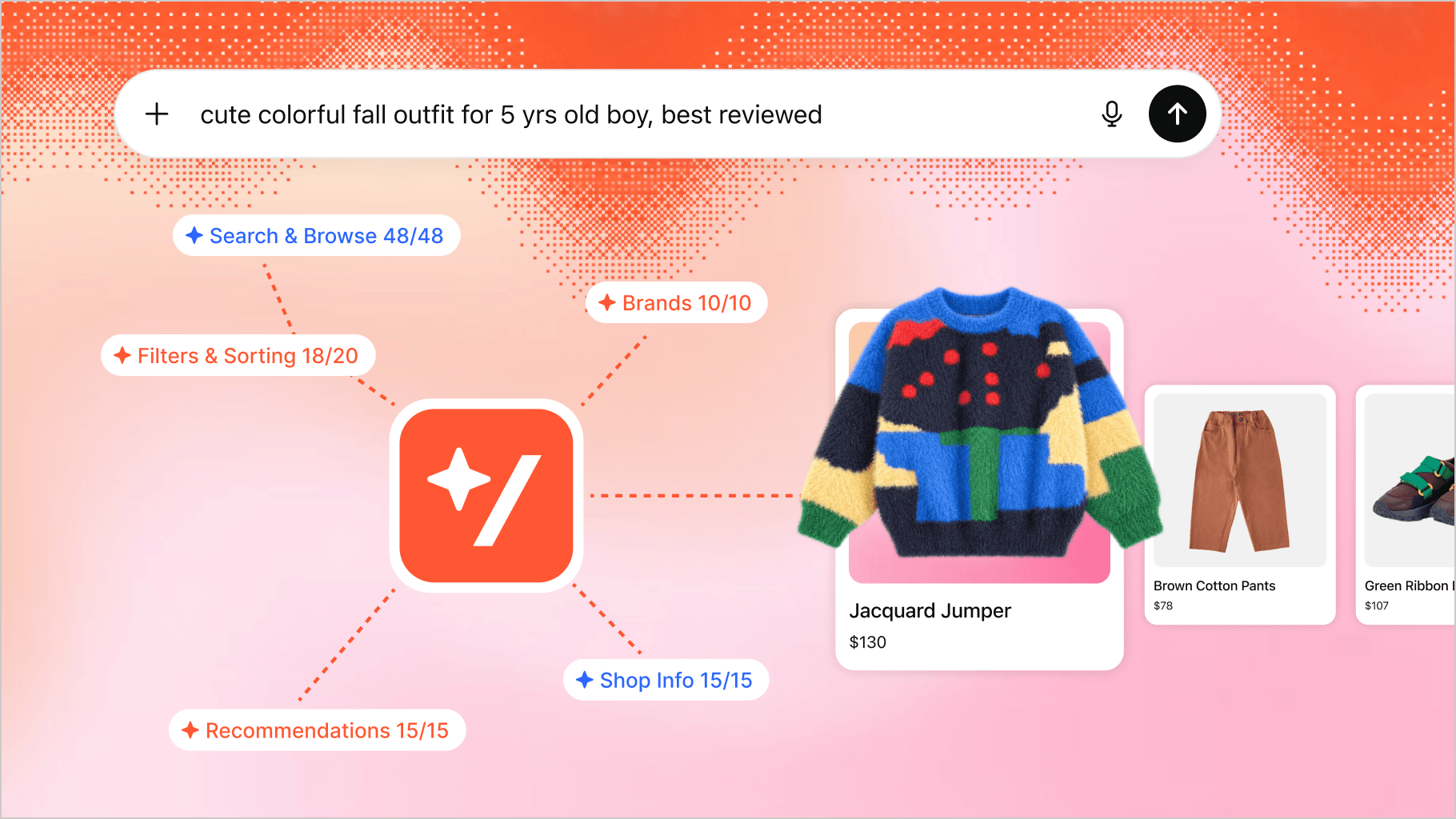
Readiness
98Up from 65 before enhancement. The same score every store in this directory gets
Search success rate
97%Up from 80%. Share of shopper queries that came back with relevant products.
Structured tools
10Up from 2. Reviews, size and fit, promotions, brand and store info, each one a tool an agent can call.
Native or Enhanced
Same protocol, same tool names. What changes is the data behind them and the discovery services wired in front. Every endpoint in the directory is free for builders to query.
Whatever the catalog exposes today — usually product titles, prices, and stock over keyword search. Listed, scored, and scanned at no cost.
We tag your catalog with 10–15 fashion attributes per product, then wire the full discovery stack in front of it
Steal These Prompts
Copy a prompt, point it at live catalogs in this directory, and you have your own way to search and discover. Real products, live prices, live stock.
Can't pick a favorite? Shoe Tournament turns shopping indecision into a game. You judge every head-to-head matchup until your winning pair is crowned, ready to shop in one tap.
Built by @defg.dev
0 remixes
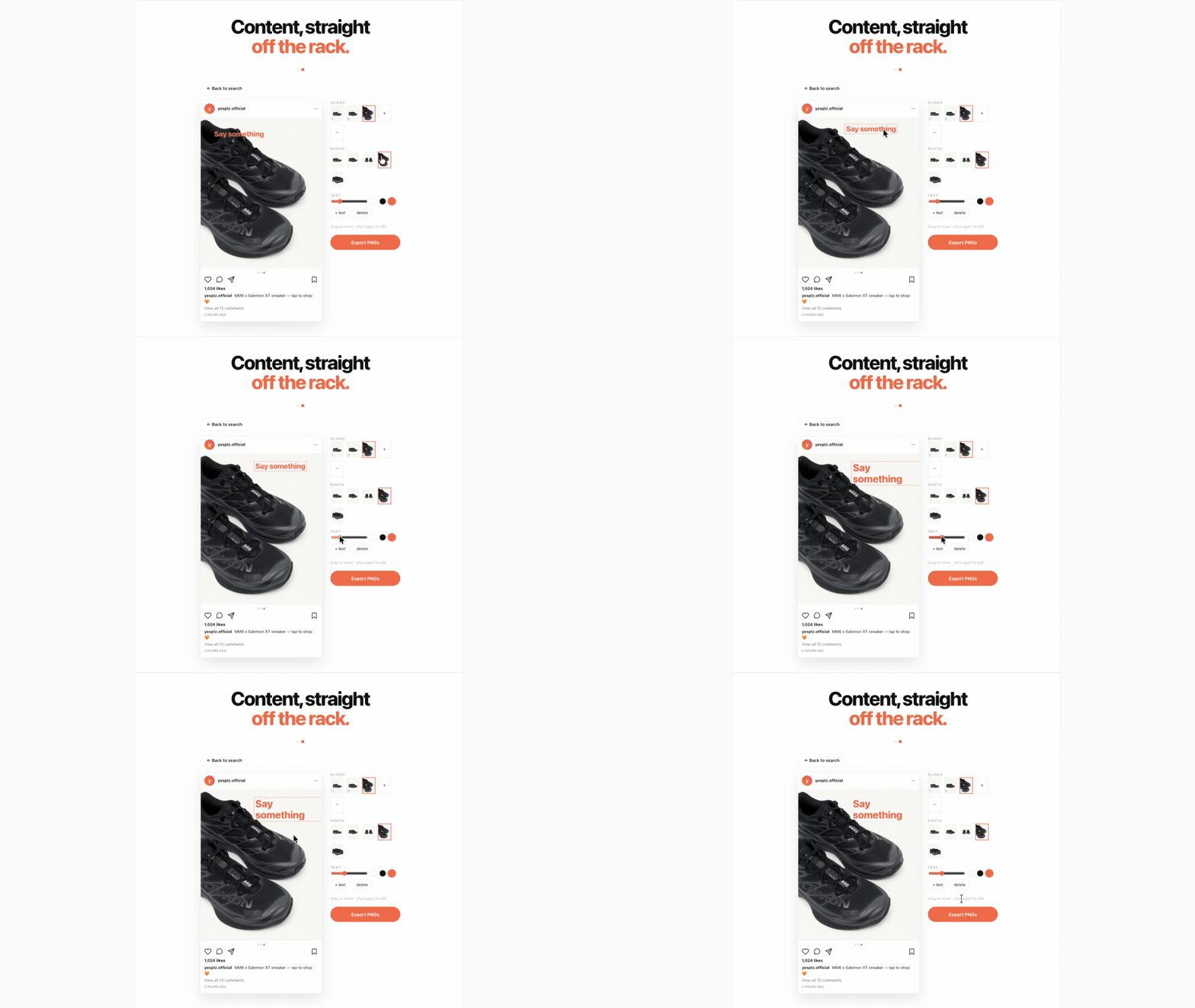
Your Instagram feed, built straight from the catalog. Pick a retailer, describe a category and mood, then choose from live product candidates, design right on the images Canva-style, and export ready-to-post PNGs.
Built by @hijkm.dev
0 remixes
Type a vibe, set a budget, pull the lever — Fashion Gumball dispenses a complete outfit from real store catalogs, priced to fit.
Built by @zerosumgame
0 remixes
An agent that dresses a shopper head to toe from real inventory across every store you connect.
For Builders
Every MCP server here speaks the same four tools. You do not need to know how to build an MCP server to start. Three steps, and you are building against real catalogs.
1
Filter by category, region, and tier. Add the Directory MCP and let the agent choose.
2
Copy-paste config for Claude, ChatGPT, and any MCP-speaking agent sits on every listing.
3
Real catalogs, live prices, live stock — and an outfit at the end of it.
One End Point
The Directory MCP wraps every store listed here behind a single endpoint. One query fans out across catalogs and comes back with products, prices, stock, and the store each result belongs to. You add stores by filter instead of by config, and new listings appear without you shipping anything.
https://mcp.yesplz.ai/directoryOne query, results from every store that matches, ranked together rather than store by store.
Narrow to a category, region, ships-to market, or minimum readiness score before the query runs.
Hand back a single store's own endpoint when you want its full tool set for a deeper session.
Don’t forget to upvote the prompts that worked for you.
An MCP (Model Context Protocol) server is a small API layer that lets AI agents talk to a store's catalog through a shared, open standard. A fashion MCP server exposes tools like product search, similar styles, outfit suggestions, and review Q&A, so agents can query live products, prices, and stock without scraping the storefront. With a single MCP server, a retailer makes its products accessible to every AI shopping agent, and anyone, whether a shopper, a merchandiser, or a new store owner, can quickly build AI-powered shopping experiences on top of the catalog.
The protocol is open and free, and many stores run their own MCP server at no cost beyond hosting. In this directory, listing and scoring any server is always free. Enhanced servers, where YesPlz tags the catalog and runs the full discovery stack, are a paid production service.
We probe each server with a fixed set of real shopper queries across the four standard tools and score what an agent can actually answer: attribute depth, occasion queries, result relevance, and price and stock accuracy. Scores are re-verified daily and the methodology is public. Listings and scores are never paid, ever.
Two paths. Build it yourself: expose your catalog over MCP with search at minimum, and the open guides in our Build section show how to test it against the directory's scoring. Or skip the build: YesPlz runs an Enhanced MCP server for you, with your catalog tagged, the full discovery stack wired in, and your branding on your domain. Either way, listing and scoring in the directory is free.
Every listing includes copy-paste config for Claude, ChatGPT, and any MCP-speaking agent. Add one store, or add the Directory MCP itself and your agent picks stores per query with search_retailers and suggest_retailers_for_intent.
Free, always. If your store has a public MCP server, request a scan and we'll probe, score, and list it. No server yet? Run the free scan on your storefront and we'll email you the readiness score and what a server would unlock. Listings are never paid and never ranked by payment.
MCP (Model Context Protocol) is an open standard created by Anthropic and now supported across the industry, including Claude and ChatGPT. It lets AI agents read and query a store's catalog: search, compare, style. That's the discovery side. UCP (Universal Commerce Protocol) is a commerce standard led by Google with partners including Shopify, and it covers the transaction side: carts, checkout, payment. They're complementary. An agent can find the dress over MCP and buy it over UCP.
Not at this point. We're starting with MCP, then adding UCP and other channels. Stay tuned.
Two ways: some are brands we admire and added ourselves, others asked to be listed. Either way, we verify MCP availability and security before anything goes live. Want your brand on the list? It's free — just reach out.
